Cross-Platform Loyalty Mechanics Where Roulette Payout Structures Shape Football Spread Preferences in App Ecosystems
Taylor Brooks · Aug 31, 2026

Cross-Platform Loyalty Mechanics Where Roulette Payout Structures Shape Football Spread Preferences in App Ecosystems
Cross-platform loyalty programs in betting applications integrate roulette payout structures with football spread preferences through shared point systems that reward specific game outcomes while directing user activity toward other betting formats. Data from industry reports indicate these mechanics operate by converting roulette winnings into loyalty credits that unlock enhanced odds or bonus multipliers when users shift to football markets, particularly spread bets on point differentials in leagues such as the NFL or Premier League.
Roulette Payout Variations Across Digital Platforms
European roulette offers a single zero layout that delivers a 2.70 percent house edge while American variants incorporate a double zero that raises the edge to 5.26 percent, and these differences influence how quickly loyalty points accumulate in app ecosystems. Observers note that apps adjust bonus accrual rates based on the selected wheel type, which means players engaging with lower-edge European tables generate credits at a steadier pace that can then transfer directly to football spread interfaces. Studies from gaming research institutions show this transfer occurs automatically in many systems, where accumulated points trigger alerts suggesting spread bets on upcoming matches with adjusted payout tables that reflect the prior roulette activity.
Loyalty Point Conversion and User Pathways
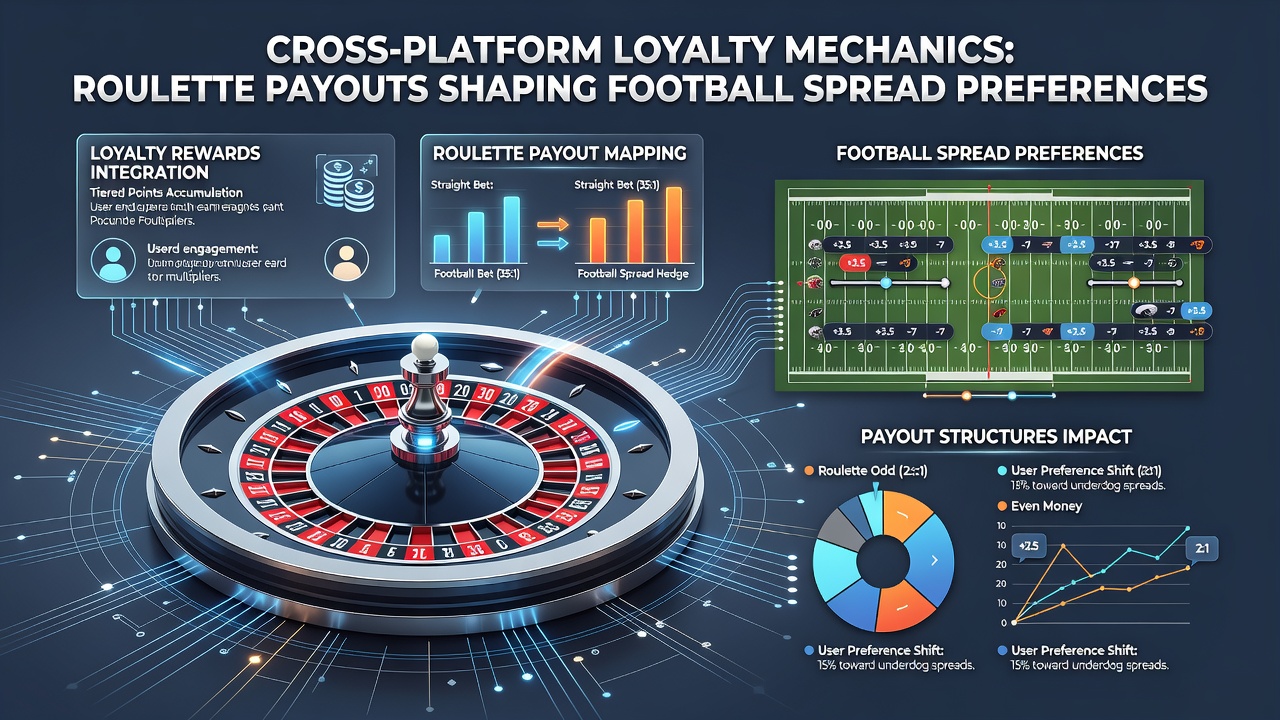
Conversion rules typically map one roulette chip won to a set number of loyalty units, yet the rate changes depending on whether the payout stems from even-money bets or higher-risk straight-up wagers, and this variability steers preferences toward football spreads that offer comparable risk-reward profiles. Those who have examined app data logs find that users completing high-payout roulette rounds often receive prompts directing them to football markets where the spread lines appear tightened by a fraction of a point, creating an incentive loop that favors continued engagement within the same application suite. August 2026 updates to several major platforms introduced real-time synchronization between these segments, allowing points earned during live roulette sessions to apply instantly to in-game football spread adjustments.
Football Spread Adjustments Driven by Prior Activity
Spread preferences shift when loyalty mechanics alter the effective margin required for a successful bet, and researchers tracking user behavior across multiple apps have documented increased volume on underdog spreads following sequences of favorable roulette outcomes. The ball's in their court once points reach certain thresholds, at which stage the platform may highlight football games with spreads that align with the user's recent win patterns, effectively channeling activity from table games into sports wagering. Figures from the American Gaming Association reveal steady growth in hybrid engagement metrics throughout 2025 and into mid-2026, where roulette-to-football transitions account for measurable portions of total handle in regulated markets.
Regulatory Context and Platform Compliance
Regulatory bodies such as the Nevada Gaming Control Board and the Alcohol and Gaming Commission of Ontario require transparent disclosure of how loyalty conversions operate, which has prompted operators to publish detailed mechanics that show exactly how roulette payout ratios map onto football spread modifiers. Compliance filings indicate that these disclosures help maintain separation between game categories while still permitting the cross-promotion that defines integrated ecosystems. Data indicates platforms must also cap the influence any single game type exerts over another to prevent undue steering, yet the allowed pathways still enable measurable preference shaping as users move between roulette and football sections.
Technical Implementation in App Ecosystems
Backend algorithms monitor session data to detect patterns where roulette activity precedes football spread selections, then apply loyalty multipliers that adjust displayed odds or provide partial point coverage on spreads. This setup connects directly to live data feeds, so a user finishing a roulette round with a specific payout structure receives tailored football options within the same session window. Those who've studied these systems note that the connections rely on standardized APIs that allow seamless point transfers without requiring users to navigate separate menus, which in turn sustains longer overall engagement times across both game types.
Conclusion
Cross-platform loyalty mechanics continue to evolve through structured connections between roulette payout structures and football spread preferences, with operators refining conversion rules to balance user retention and regulatory requirements. Evidence from multiple jurisdictions shows these integrations produce distinct activity flows where prior roulette results guide subsequent football selections, and the pattern appears likely to persist as platforms update their systems through the remainder of 2026.